


How to Identify Roof Leaks After Heavy Rainfall
Estimated Read Time:
- 2 minutes

Heavy rainstorms put your roof to the test. While your roof is designed to keep water out, constant downpours can reveal weaknesses that aren’t always obvious on sunny days. Identifying roof leaks early is crucial to protect your home from water damage, mold growth, and costly repairs.
If you live in Miamisburg, OH, knowing the signs of a roof leak after heavy rainfall can save you time, money, and stress. Here’s what you need to look for.
Visible Signs of Water Stains
One of the most common indicators of a roof leak is water stains on your ceilings or walls. These stains often appear as brown, yellow, or circular patches. Even small stains suggest that water is getting through the roof and into your home’s interior.
Don’t ignore these marks—stains often mean water has already traveled through insulation and drywall, which can compromise structural integrity over time.
Checking the Attic After a Storm
Your attic is one of the first places to show evidence of roof leaks. After a heavy storm, grab a flashlight and look for damp insulation, wet rafters, or small puddles on the floor. You may also notice a musty smell, which signals ongoing moisture issues.
Pay close attention to valleys, chimneys, and vents—these are common leak entry points.
Dripping Water and Active Leaks
Sometimes the signs are more obvious. If you see water actively dripping during or shortly after a storm, you likely have a direct leak. Buckets and towels may work temporarily, but immediate action is needed to prevent long-term damage.
It’s also a good idea to mark the location of drips. This helps professionals pinpoint the issue more quickly.
Damage Around Flashing and Chimneys
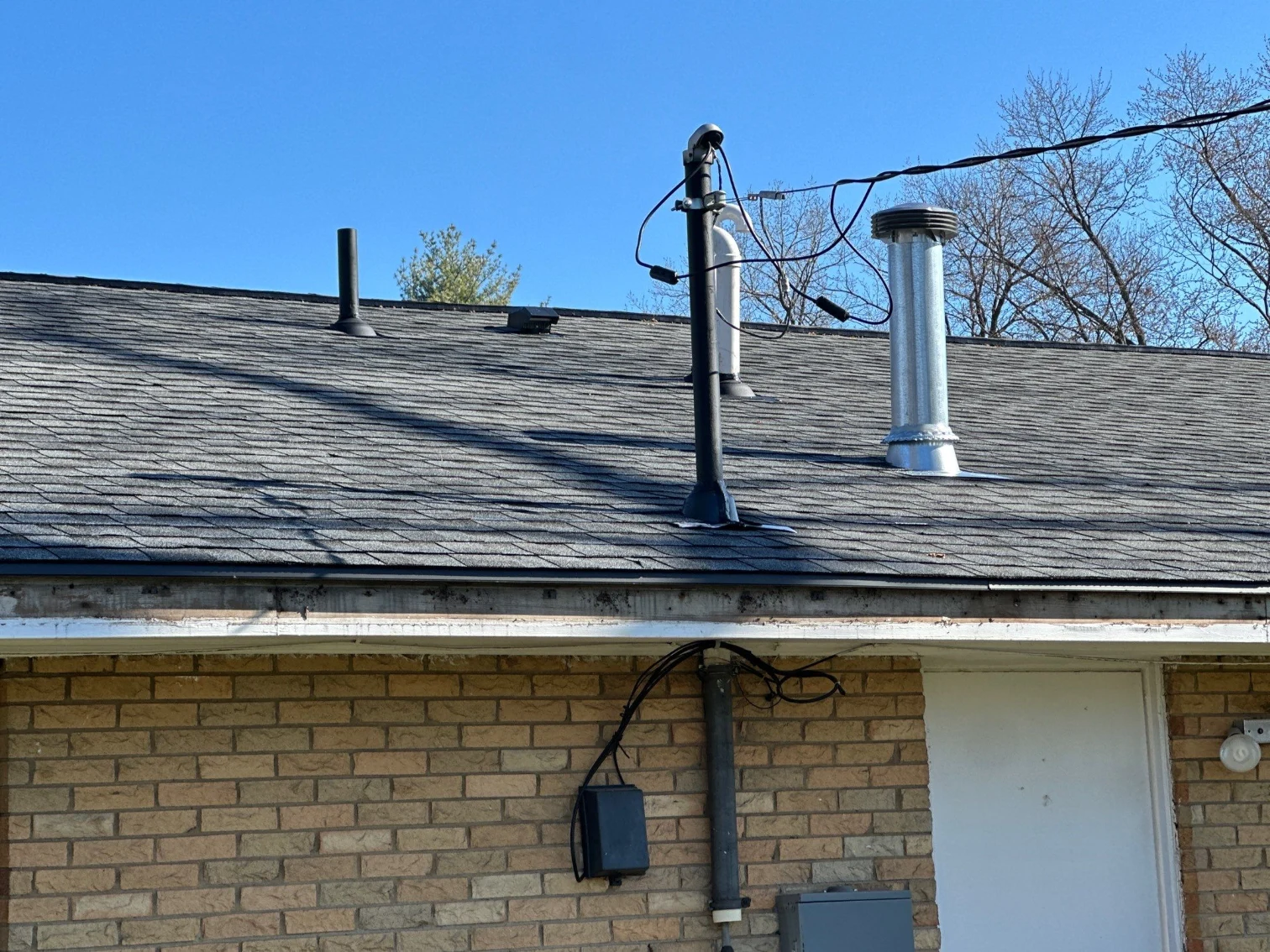
Roof flashing is a protective barrier around edges, chimneys, and vents. When flashing becomes loose, cracked, or corroded, it leaves your roof vulnerable to water intrusion.
After rainfall, inspect these areas from the ground or with binoculars. If you notice warped metal, gaps, or rust, it’s time to schedule repairs before leaks worsen.
Gutter and Downspout Backups
Your gutters play an important role in directing rainwater away from your roof. When clogged with leaves or debris, water backs up and seeps under shingles.
After storms, check for overflowing gutters, pooling water near your foundation, or sagging sections. Cleaning and maintaining your gutter system helps prevent leaks and protects your home.
Mold and Mildew Growth
Persistent leaks often lead to mold or mildew inside the home. You may notice a damp, earthy smell in your attic, crawl spaces, or along walls. In some cases, black or green streaks appear on surfaces near the leak.
Mold is not only a health hazard but also a sign that your roof has been leaking for some time. Quick intervention is essential to stop it from spreading.
Exterior Shingle Damage
After heavy rain, shingles can shift, curl, or crack. Missing shingles create immediate entry points for water. Walk around your property after storms and check for pieces of shingles in your yard or gutters.
From the ground, look for uneven roof lines, dark patches, or areas where the roofing material looks thinner.
When to Call a Professional
While some leaks are easy to spot, others can be hidden for weeks or months. If you suspect your roof may have been compromised during a storm, it’s best to schedule an inspection.
The roofing experts at CPM ROOF in Miamisburg, OH, provide professional leak detection and repair to protect your home. If you see stains, drips, or exterior damage, call today at 937-528-2304 for an inspection.