




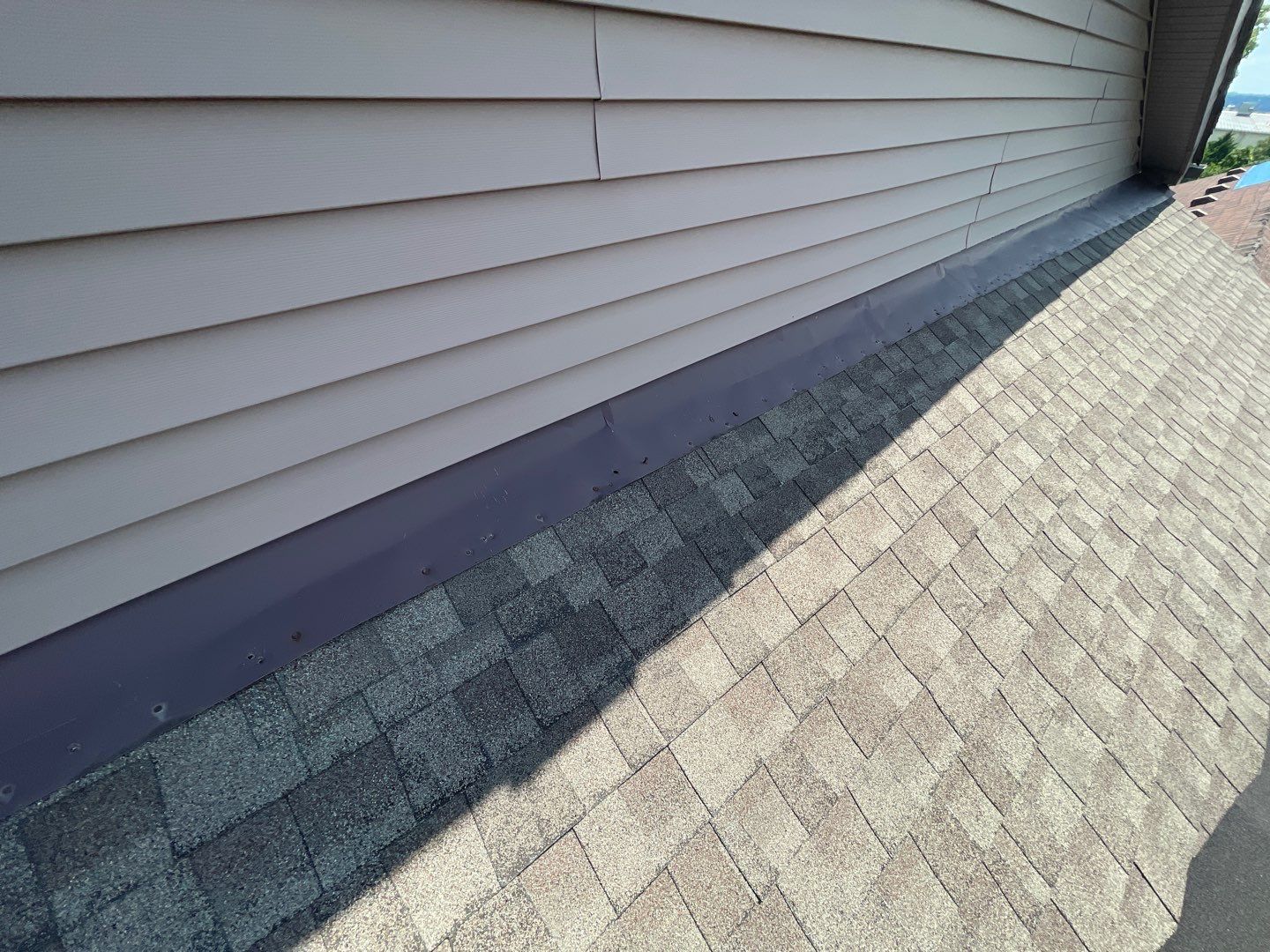

When the connection between your roof and exterior wall isn’t properly sealed, it becomes one of the most common areas for leaks, water intrusion, and long-term structural damage. Roof-to-wall flashing is designed to protect this vulnerable transition point, but when it fails, homeowners often experience issues that go unnoticed until major problems arise. Many properties in Miamisburg, OH rely on strong flashing systems to defend against seasonal storms, heavy rain, and shifting temperatures, making proper installation and maintenance essential.
If you ever suspect a flashing issue, contacting a professional early is the best way to avoid major water infiltration. You can reach a local specialist by calling 937-860-2925 for support.
What Roof-to-Wall Flashing Does — and Why It Matters
Roof-to-wall flashing is a metal barrier installed where the roof meets a vertical surface. This includes chimney walls, second-story walls, dormers, or any structural change where water naturally flows toward the intersection. The flashing redirects water away, ensuring moisture can’t slip behind shingles or siding.
Without proper flashing, water easily finds small openings and gradually penetrates through roofing layers. Over time, this can affect insulation, framing, drywall, and even interior finishes. A well-installed flashing system prevents this by sealing the most water-prone section of your roof.
Most Common Roof-to-Wall Flashing Issues
Improper Installation
Flashing that wasn’t installed correctly is one of the leading causes of leaks. This can include incorrect nailing, poor alignment, missing sealant, or using materials not suited for long-term exposure. Homes with older roofs or amateur installations are especially vulnerable to this type of failure.
Loose or Lifted Flashing
Seasonal expansion, contraction, wind uplift, and general aging can loosen flashing over time. Even slight movement creates gaps where water can work its way behind the protective barrier. Once moisture enters, deterioration begins quickly.
Deteriorating Sealant
Sealant is often applied around flashing edges to reinforce gaps and seams. Unfortunately, sealant wears down faster than metal flashing. Once it cracks, dries, or pulls away, water can bypass the flashing altogether and enter the wall system.
Corrosion and Rust
Metal flashing is durable, but not immune to long-term corrosion. Exposure to constant moisture, humidity, and debris can cause rusting that weakens the material. When flashing corrodes, it can no longer form a watertight seal.
Shingle Overlap Issues
If shingles don’t overlap the flashing correctly, water may run directly behind it. This happens when shingles shift over time, or if the roof was installed with misaligned courses that fail to direct water correctly.
Signs Your Roof-to-Wall Flashing Is Failing
Knowing the early warning signs can help prevent extensive damage. Common indicators include:
- Water stains on walls or ceilings near roof intersections
- Soft or swollen drywall
- Peeling paint or bubbling interior finishes
- Damp or musty odors in upper rooms
- Visible gaps where your roof meets the wall
- Dark streaks or moisture marks around siding
- Shingle granule buildup near flashing edges
Even if the signs appear minor, water intrusion behind flashing rarely stays contained. Moisture can travel along framing and affect a much larger area than the initial leak suggests.
How Roof-to-Wall Flashing Issues Affect Your Home Long-Term
Moisture Damage
Once water gets behind flashing, it begins soaking into sheathing, rafters, attic insulation, and interior surfaces. This compromises structural strength and causes long-term deterioration.
Mold and Mildew Growth
Persistent leaks create the ideal environment for mold. Mold spreads quickly behind walls and can cause health concerns if left untreated.
Roof Deterioration
Moisture under roofing materials affects shingles, underlayment, and wood decking. This accelerates aging and shortens the lifespan of your entire roof.
Energy Loss
Damaged insulation becomes ineffective, allowing heat to escape in winter and enter during summer. This leads to rising energy bills and reduced indoor comfort.
Exterior Damage
Siding can warp, stain, crack, or separate from the wall when exposed to moisture. This can lead to larger repairs beyond roofing alone.
How Professional Repair Solves Roof-to-Wall Flashing Problems
A proper repair involves a comprehensive inspection and a full evaluation of the flashing area. Roofing professionals ensure the entire system works together—flashing, siding, shingles, and underlayment.
Typical repair steps include:
- Removing sections of siding or shingles to expose the flashing
- Inspecting the underlying structure for water damage
- Installing new, properly sized metal flashing
- Sealing edges and seams with long-lasting materials
- Reinstalling roofing components with correct overlap
- Verifying that water flows correctly away from the intersection
Professionally installed flashing significantly reduces the risk of future leaks and ensures your home remains well-protected.
When to Replace vs. Repair Roof-to-Wall Flashing
Choose Repair If:
- Only sealant has deteriorated
- Flashing is slightly loose or bent
- The surrounding materials remain in good condition
Choose Replacement If:
- Flashing is rusted or corroded
- Water has caused visible structural damage
- Improper installation is causing recurring leaks
- You are replacing the roof anyway
Roof-to-wall flashing should always be evaluated by a trained specialist who can determine the most effective long-term solution.
Protecting Your Miamisburg Home With Preventative Care
To avoid recurring problems, homeowners should:
- Schedule yearly roof inspections
- Keep gutters and roof surfaces clear
- Watch for discoloration or moisture near roof-wall intersections
- Address roofing issues promptly
Properly maintained flashing ensures your roof performs at its best, especially in climates with varying weather patterns such as Miamisburg, OH.